The honest answer about cost is that water damage restoration in Britton Falls usually lands somewhere between 1,300 dollars for a small, clean-water leak caught early and 8,000 dollars or more for a finished basement that sat wet for a weekend. The wide range is not a dodge. It reflects three variables that drive every invoice we write: how much square footage got wet, what kind of water you are dealing with, and what materials absorbed it. A bathroom supply line that soaks 200 square feet of tile and drywall is a different job than a sewer backup that contaminated 900 square feet of carpet pad and subfloor. The IICRC, which sets the standards every reputable restoration company follows, sorts water into three categories. Category 1 is clean water from a supply line or appliance fill hose. Category 2 is gray water, meaning it has some contamination, like a washing machine discharge or a slow toilet supply leak. Category 3 is black water, which includes sewage, flood water from outside, and anything that has been sitting long enough to grow bacteria. Pricing climbs with each category because the protective equipment, containment, and disposal requirements climb with it. You can read more about why sewage backups are treated as a Category 3 emergency and why we cannot simply dry them in place the way we would a clean-water loss.
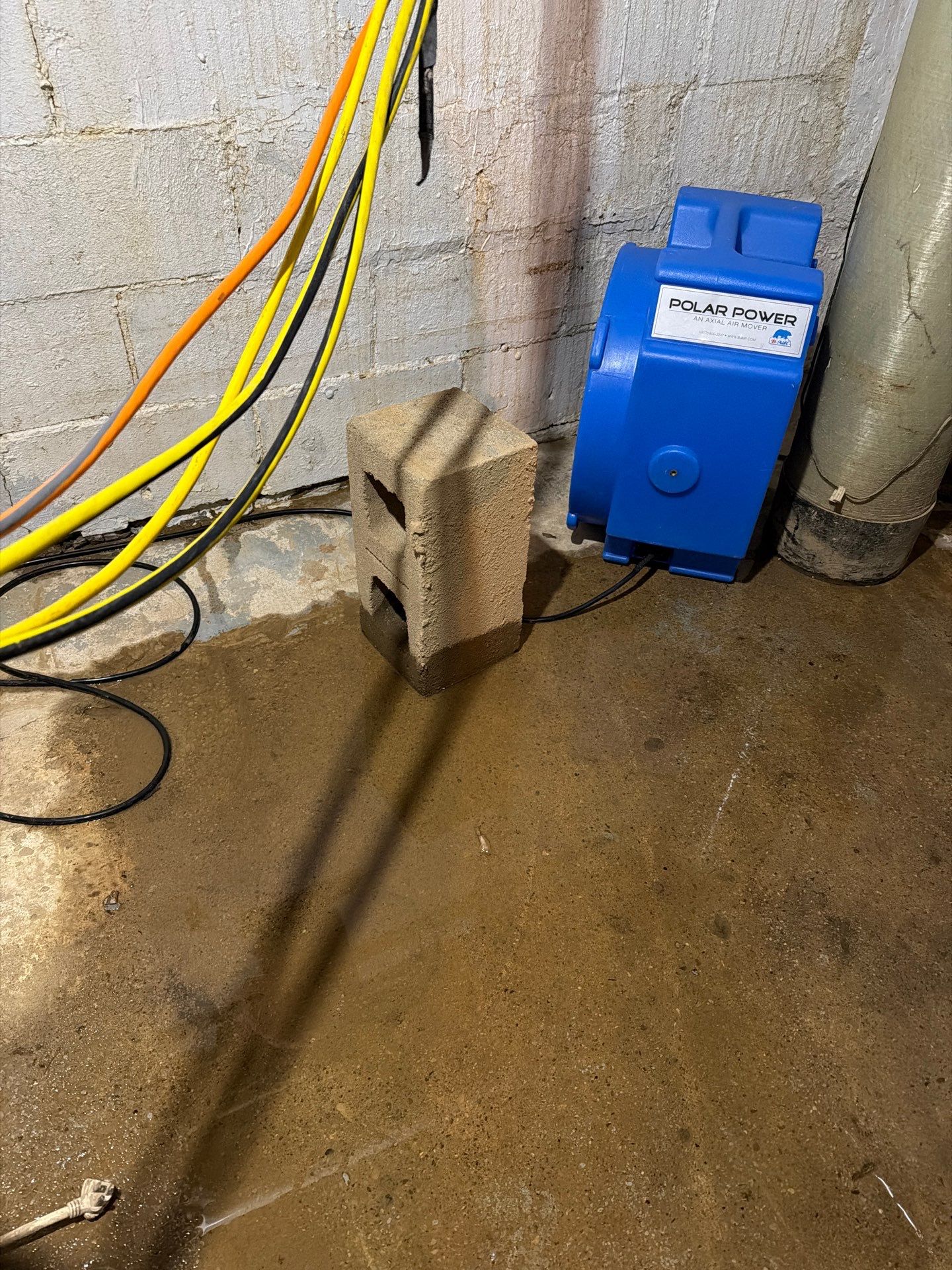
Inside those categories, the work itself breaks into phases. The first phase is emergency mitigation, which is everything we do in the first 24 to 48 hours to stop the damage from spreading. That means water extraction with truck-mounted or portable units, removing saturated materials that cannot be saved, setting air movers and dehumidifiers, and applying antimicrobial treatment where needed. Most Britton Falls homeowners see mitigation invoices in the 1,500 to 4,500 dollar range, and this is the portion insurance is most likely to cover quickly because it prevents secondary damage like mold. The second phase is structural drying, where the equipment runs for three to five days while we monitor moisture readings daily. The third phase is reconstruction, which is the rebuild of drywall, flooring, trim, and paint. Reconstruction is usually the largest line item because it involves materials and finish work, and it is where the total can climb if you have hardwood floors, custom cabinetry, or a finished lower level. It is also the phase where homeowners have the most say. You can choose to upgrade flooring or trim during the rebuild, though insurance will only pay to match the original quality. Anything beyond that comes out of pocket, which is worth knowing before you fall in love with a floor sample at the showroom.
What 24/7 Emergency Service Actually Means in Britton Falls
A lot of companies advertise around-the-clock response. Fewer actually staff for it. When you call Britton Falls Water Restoration at 11 p.m. on a Tuesday, you get a real person, and we dispatch a technician with extraction equipment, not a salesperson with a clipboard. Our standard arrival window for Britton Falls and the surrounding Central Indiana area is 60 to 90 minutes for active emergencies, faster when crews are already nearby. The reason speed matters so much comes down to the 24 to 48 hour mold window. Once organic materials like drywall paper, carpet pad, and wood framing stay wet past that threshold, mold colonies start establishing themselves, and what was a water loss becomes a mold remediation job on top of it. That can double your costs and your displacement time.
While you wait for us to arrive, there are a few things worth doing if it is safe. Shut off the water source if you can find the valve. Kill electricity to the affected area at the breaker if outlets or fixtures are involved. Move what you can to a dry floor, especially anything with sentimental or high replacement value. Do not run a household shop vac on more than an inch or two of standing water, and do not plug in box fans before extraction is done, because all you will do is push moisture deeper into wall cavities. We walk through this in more detail in our guide on first steps to take after water damage, and it is worth a quick read even before you have an emergency.
It helps to know what to expect when our crew walks in the door. The lead technician will do a quick walkthrough with you to identify the source and the boundaries of the affected area, then use a moisture meter and thermal imaging camera to map where water has migrated. Water travels further than most people realize, often wicking 12 to 18 inches up drywall and slipping under baseboards into adjacent rooms. Once the map is drawn, we explain the scope, get your authorization to proceed, and begin extraction. Most homeowners are surprised at how much of the visible damage can be saved when the response is fast enough. Hardwood floors that look ruined on day one can sometimes be dried in place if we get drying mats and desiccant dehumidifiers on them within the first 12 hours.
How Insurance Fits Into the Cost Picture
Most Britton Falls homeowners policies cover sudden and accidental water damage, which includes burst pipes, appliance failures, and storm-driven water intrusion through a damaged roof. What is typically not covered is gradual leaking that went unnoticed for weeks, groundwater seepage, and sewer backup unless you have a specific endorsement for it. Your deductible is usually 1,000 to 2,500 dollars, and the insurance company will pay the mitigation and repair costs above that, minus any depreciation on the reconstruction side. We document everything with moisture maps, photos, and IICRC-standard drying logs so your adjuster has what they need to approve the claim quickly. We can bill your carrier directly in most cases, which means your out-of-pocket is just the deductible. If you have never filed before, the process is less intimidating than it sounds, and there is no penalty for asking your agent questions before you commit to filing. A good restoration company will also speak directly with your adjuster to clarify scope questions, which keeps you out of the middle of a technical conversation about drying standards and material salvageability.
One last thing worth saying plainly. Not every wet floor needs a restoration crew. If you caught a small overflow within an hour, the water was clean, and the affected area is under 10 square feet of tile or sealed surface, you can probably handle it with towels and a fan. If the water reached drywall, carpet, hardwood, or subfloor, or if it sat overnight, call someone. The cost of a 90-minute assessment is far less than the cost of mold remediation six weeks later.